sales@drummotorsandmore.com


CALL US 01509 815607
sales@drummotorsandmore.com Trommelmotor: How it works, applications, maintenance and repair
A reliable conveyor system is essential for keeping industrial operations running smoothly. One of the key components in many conveyor systems is the Trommelmotor, also known as a drum motor or motorised pulley. Designed to drive conveyor belts efficiently, trommelmotors offer a compact solution for a wide range of industrial applications.
But, what exactly is a trommelmotors, how does it work, and what should you consider when purchasing, maintaining or repairing one? In the article, we explore the main features of trommelmotors and explain how choosing the right solution can help improve conveyor performance and minimise downtime.
What is a Trommelmotor?
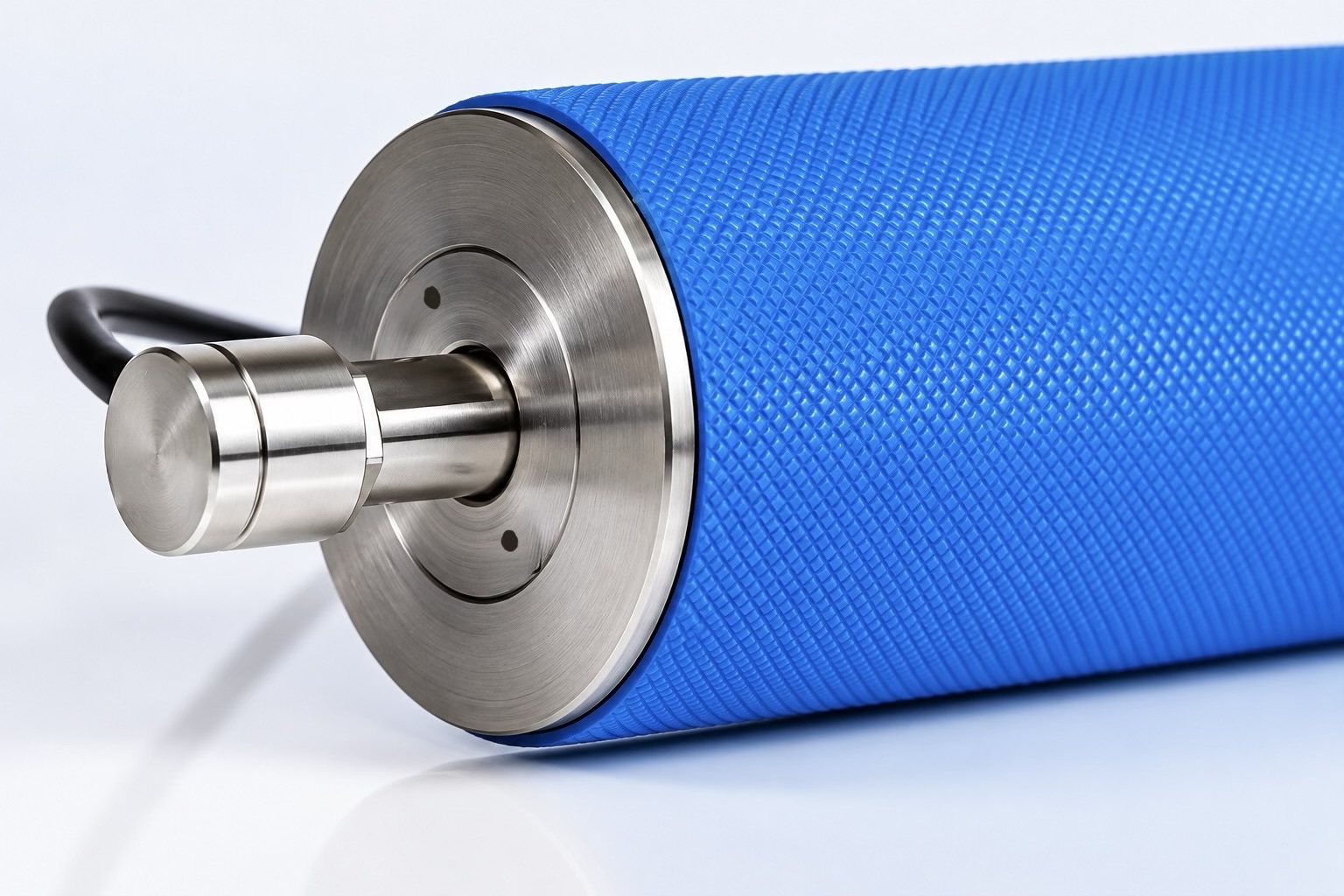
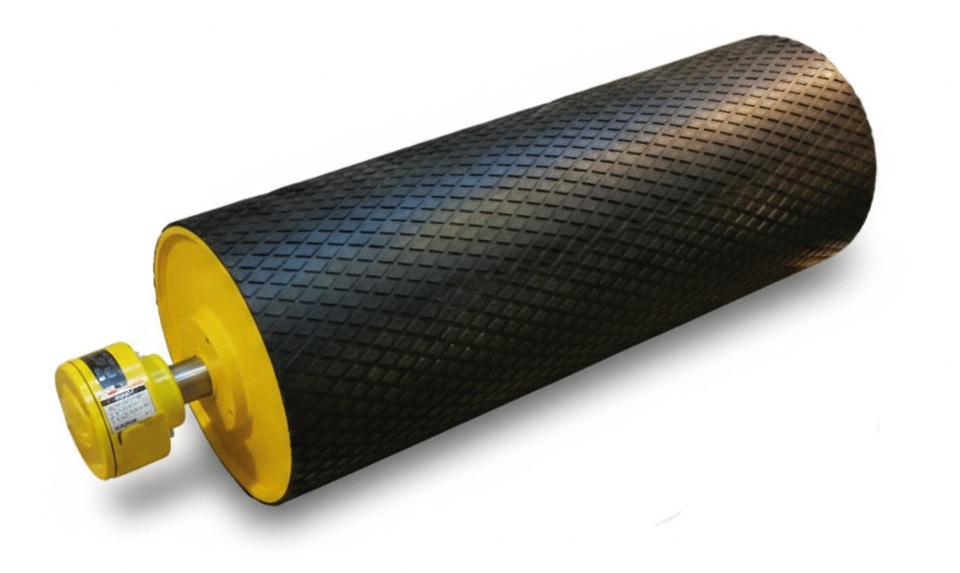
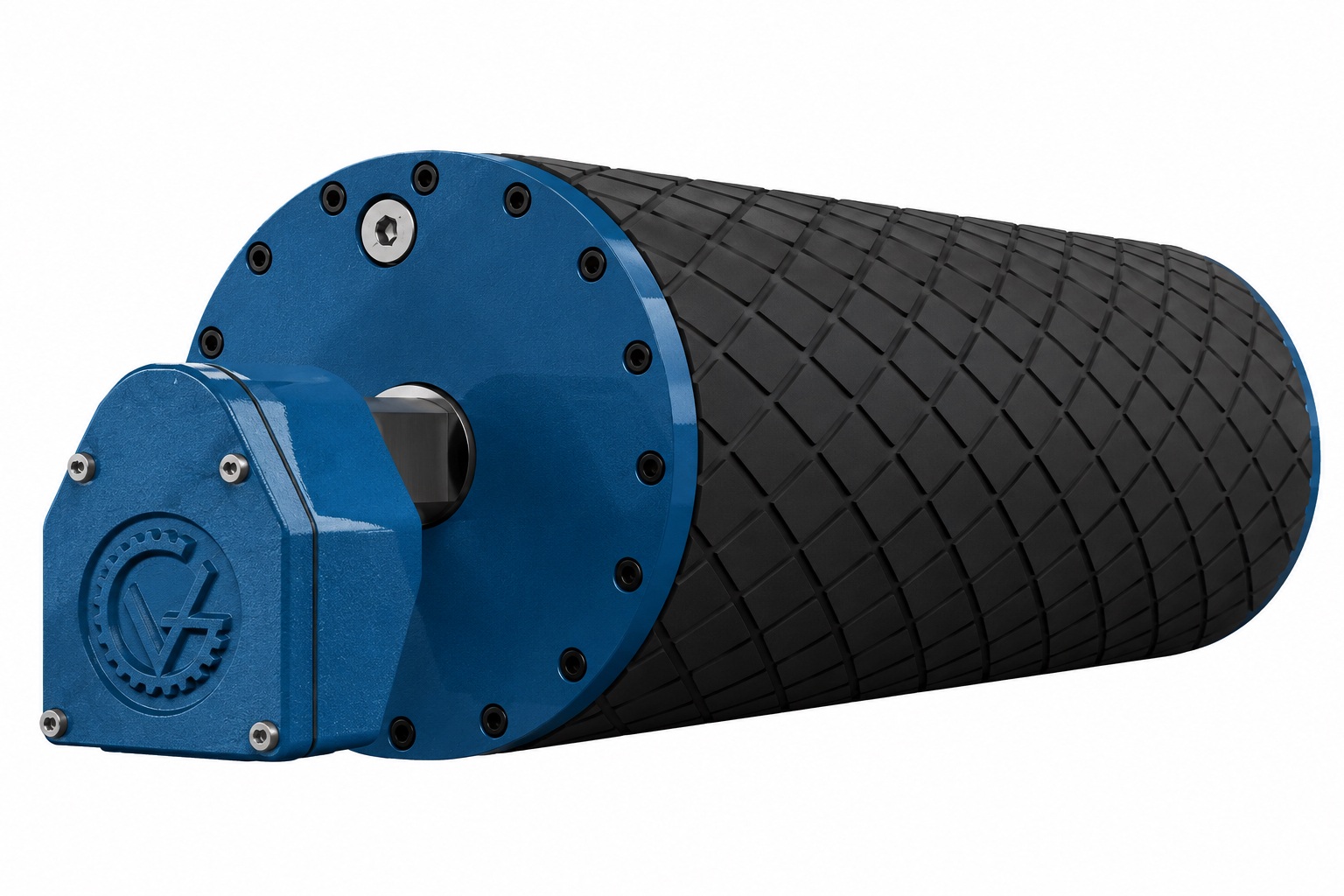
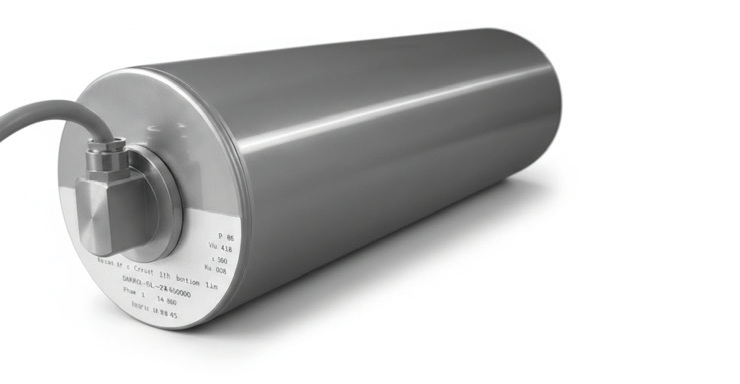
A trommelmotor is an integrated conveyor drive in which the electric motor, gearbox and associated drive components are enclosed within a rotating drum-shaped housing. Rather than using a separate external motor and gearbox, the trommelmotor combines these components into one compact unit that directly drives the conveyor belt.
The term Trommelmotor is commonly used in German-speaking markets, while drum motor or the equivalent English term. Both refer to the same type of conveyor drive technology. Thanks to their compact design, logistics, food processing, packaging and manufacturing. They are particularly useful in applications where space, cleanliness, operational reliability and ease of maintenance are important considerations.
Historical Timeline
1928-1950’s: The concept of enclosing a geared motor drive inside a steel drum shell for conveyor belts was first recorded around 1928, through commercial production and widespread industrial application began in the early 1950’s
German Engineering & Adoption: German manufacturers – such as Bauer (which developed special Trommelmotoren from 1936 onward) and later companies like Rulmeca and Interroll – popularised the compound term Trommelmotor.
English Usage: While English-speaking engineers and technical catalogs frequently use the translated term drum motor or motorised pulley, the German compound trommelmotor is still heavily borrowed or retained in specialised industrial, material handling and logistics literature to describe self-contained, motorised conveyor drive drums.
How does a Trommelmotor work?
A Trommelmotor works by converting electrical energy into mechanical rotation to move a conveyor belt.
The electric motor and gearbox are housed inside the drum, when electrical power is supplied, the motor generates rotational movement, which is transferred through the gearbox to the outer drum shell. The rotating shell then drives the conveyor belt through friction or, in suitable applications, a positive-drive belt arrangement.
Because the drive components are integrated into the drum, there is less need for external drive equipment, such as separate gearboxes, chains and drive assemblies. This integrated design can simplify conveyor construction, reduce the space required for the drive system and help protect internal components from environmental contamination.
What are the main advantages of a Trommelmotor?
Trommelmotors offer several advantages over conventional conveyor drive arrangements, depending on the model and operating conditions.
By integrating the motor and gearbox into a single unit, a trommelmotor reduces the space required for external drive components. This makes it suitable for conveyor systems where installation space is limited
The enclosed drive design reduces exposure to moving mechanical components compares with many conventional drive arrangements. Appropriate guarding and machine safety measures are still required for the complete conveyor system.
Many trommelmotors are designed for low-maintenance operation. However, maintenance requirements vary between manufacturers and models, so it is important to follow the relevant technical documents and service recommendations.
Depending on the model, sealing, materials and protection rating, a trommelmotors can be suitable for environments involving dust, moisture or regular cleaning, specialist versions are available for applications with particularly demanding hygiene requirements.
Trommelmotors are available in different sizes, power ratings, speeds and configurations. This allows them to be selected for a wide range of conveyor designs and operating requirements.
Where are Trommelmotors used?
Trommelmotors are used in many industries that depend on reliable conveyor systems.
Common applications include:
The correct trommelmotors depends on the application. Factors such as conveyor speed, belt pull load, operating temperature, cleaning requirements and available installation space should all be considered before selecting a unit.
Trommelmotor Repair: What should you look out for?
Even a well-designed trommelmotors can develop faults or experience wear over time. Identifying potential problems early can help reduce unexpected downtime and prevent further damage to the conveyor system.
Common warning signs include unusual noise, excessive vibration, overheating, inconsistent belt speed or a conveyor belt that no longer moves as expected.
These symptoms do not necessarily mean that the motor itself has failed. Problems can also originate from the power supply, motor controls, belt tension, mechanical loading or other conveyor components.
A systematic inspection is therefore important before deciding whether a repair or replacement is required.
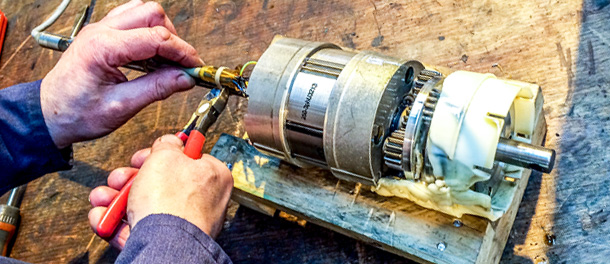
Depending on the fault and the design of the unit, professional repair may involve electrical testing, inspection of internal components, assessment of bearings and seals, or checks of the gearbox and lubrication system.
Choosing an experienced drum motor repair specialist such as DM&M Ltd can help establish the cause of a fault and determine the most appropriate solution. Repairing a unit may be cost-effective alternative to replacement, depending on its condition, parts availability, repair costs and expected remaining service life.
Should you Repair or Replace a Trommelmotor
When a trommelmotors develops a fault, the decision to repair or replace it depends on several factors.
Repair may be appropriate when the damage is limited, suitable spare parts are available and the expected cost and turnaround time are acceptable.
Replacement may be preferable when the unit has suffered extensive damage, spare parts are no longer available, or a newer model would better meet the requirements of the application.
Before making a decision, consider:
An experienced supplier or repair specialist like DM&M Ltd can help you assess these factors and identify the most practical option for your business.
Finding the Right Drum Motor:
If you need new or replacement trommelmotor, choosing the correct unit involves more than matching its physical dimensions. The drum motor must be suitable for the conveyor, the load being transported and the conditions in which the equipment operates.
Before sourcing a replacement, consider the following factors:
Where possible, providing the original manufacturer’s details and model or serial number can help identify a suitable replacement more quickly.
If the original specifications are unavailable, measurements and details of the existing conveyor can help establish the requirements.
Trommelmotor Brands: Rulmeca, Van der Graaf, Procon, Interroll, Himmel
When replacing or repairing a drum motor, identifying the manufacturer is often a useful first step.
Drummotors and More Ltd works with customers looking for drum motor solutions associated with a range of established names in the industry, including:
Each manufacturer’s products can have different dimensions, power ratings, gearbox configurations and installation requirements. It is therefore important to identify the specific model rather than assume that every drum motor is interchangeable with another.
If you are unsure which model you have, photographs of the nameplate and the complete drum motor can help provide a starting point for identification.
Alternative to the conventional Motorised Conveyor drive
The Procon range is available. The Procon X-Series drum motors are not filled with oil. The separate Sealing of the gearbox in the drum tube is unique in drum motors and ensures even after years for an absolutely leak-proof drum motor. Procon Drum Motors meet the requirements of IP66 protection. Drum motors with the electric Connection Type 5 (angled outlet made of stainless steel) or Type 4 (terminal box made of stainless steel) stainless steel) also meet the IP69K protection class. The result of all measures to Sealing of the drum motor is an optimal protection against external influences, such as for example, high-pressure cleaning, which is often used in the food industry, is applied.
Trommelmotor Sales, Distribution and Repair
Whether you need a new trommelmotors, a replacement for existing installation or assistance with a faulty unit, choosing the right solution starts with understanding your application.
From checking technical specifications to evaluating repair options, specialist support can help you make an informal decision and keep your conveyor system operating reliably.
Our team at DM&M Ltd provides support for businesses looking for Trommelmotors, replacement units and repair services. If you need assistance identifying the right product contact our sales teams to discuss your requirements on 01509 815607 or sales@drummotorsandmore.com or assessing a faulty drum motor contact our repairs department on 01509815607 or repairs@drummotorsandmore.com